
HVAC for Remodeling & New Construction
Smart Heating and Cooling Design for Remodels, Additions, and New Builds
We design and install HVAC for remodel, home additions, and new construction projects so your updated space feels just as comfortable and efficient as the rest of your Lewisville home.
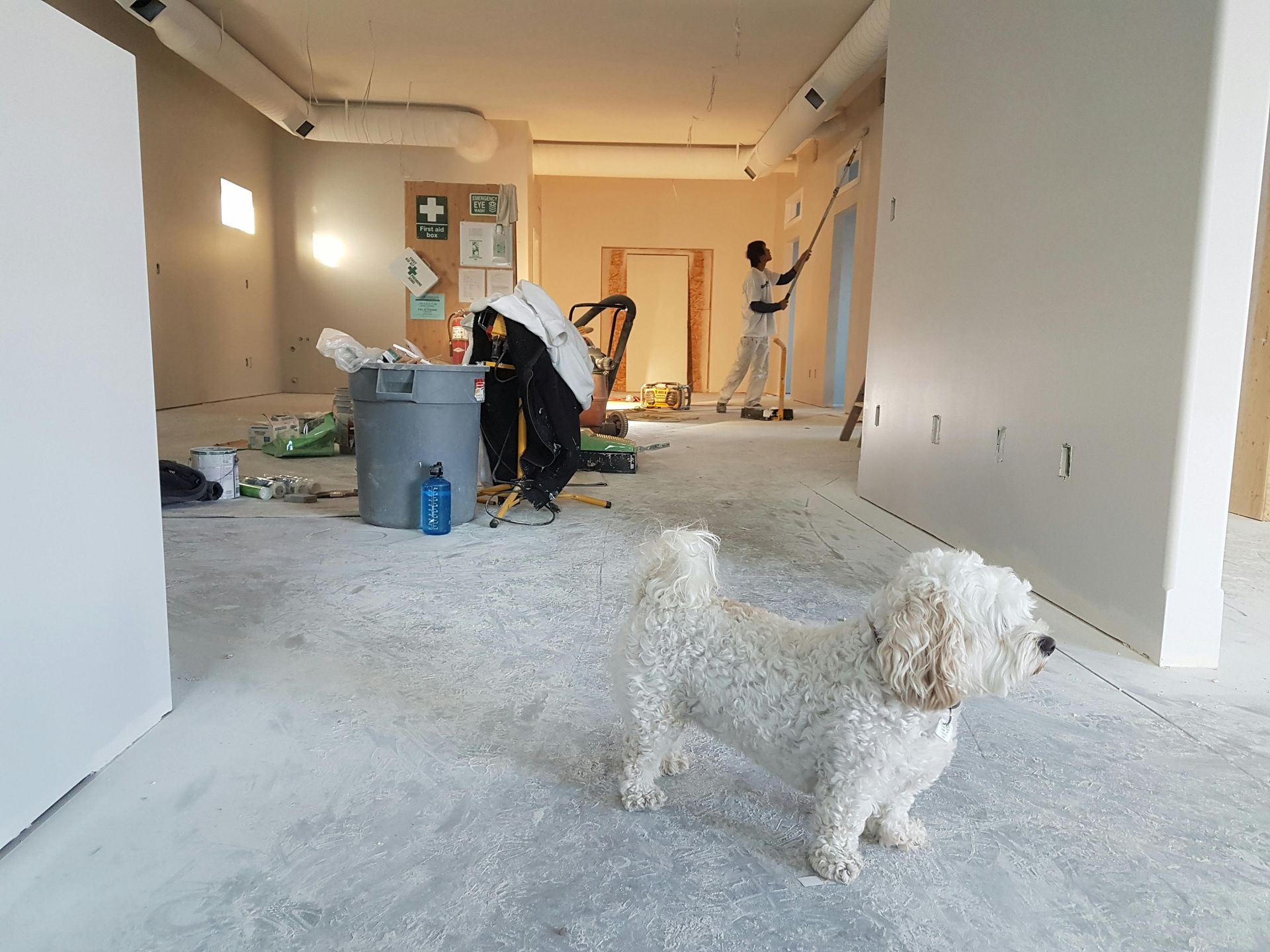
HVAC Solutions Designed for Your Remodel
Plan Comfort and Efficiency Alongside Your Floor Plan
Every remodeling project changes how air moves through your home, which is why HVAC planning belongs at the same table as your architect or contractor. When you add square footage, move walls, or open up rooms, your existing system may no longer be sized or ducted correctly. We look at your new layout, insulation, and windows to determine whether simple adjustments or more substantial HVAC design for remodeling is needed. Sometimes, resizing ducts or adding a return is enough; other times, zoning or equipment changes make more sense. Our goal is to ensure your finished remodel feels comfortable in real life—not just on paper.
HVAC for Home Additions & Room Conversions
Make Sure New Spaces Feel as Comfortable as the Old Ones
Home additions, attic conversions, and garage build-outs often push existing systems beyond what they were designed to handle. We evaluate whether your current equipment can realistically serve the new space or if a dedicated solution, like a mini-split, will work better. When needed, we design and install HVAC for home additions that includes new duct runs, returns, and proper ventilation so temperatures stay consistent in both old and new rooms. This is also the ideal time to correct uneven airflow, hot or cold spots, and comfort issues you’ve lived with for years. By planning HVAC installation for additions early, you avoid band-aid fixes and enjoy a seamless, comfortable result.
- Assessing Existing Capacity – We determine if your current system can handle extra square footage without sacrificing comfort.
- Adding Ducts or Mini-Splits – We recommend whether added ductwork, a new zone, or a ductless unit makes the most sense.
- Balancing Airflow – We fine-tune supply and return air so both new and existing rooms feel evenly conditioned.
HVAC for New Construction Projects
From Load Calculations to Duct Design and Equipment Selection
For new construction HVAC, getting the design right upfront pays off in comfort and efficiency for years to come. We use industry-standard methods like Manual J load calculations to size your system accurately based on square footage, insulation levels, window placement, and more. Manual D duct design allows us to lay out supply and return ducts that deliver balanced airflow to every room instead of relying on rules of thumb. From there, we help you choose equipment that matches your home’s design, lifestyle, and budget. The result is a thoughtfully designed system that feels great to live with and is easier to maintain over time.
Our Remodeling HVAC Process
Collaboration from the First Sketch to the Final Walkthrough
We start with a consultation and home evaluation, reviewing your plans, listening to your goals, and walking the existing space. From there, we build a clear HVAC design that accounts for capacity, duct layout, and efficiency upgrades like attic insulation or air duct replacement where needed. We coordinate with your remodeler or builder to schedule work at the right stages so our part integrates smoothly with framing, drywall, and finishes. After installation, we test the system thoroughly, balance airflow, and verify that new rooms heat and cool as intended. You’ll know exactly what was installed, why we chose it, and how it supports your remodeling or new construction project.
FAQ: HVAC for Remodeling
Common Questions About HVAC for Remodels and Additions
Do I need new HVAC for a home addition?
Not always, but it’s important to verify instead of guessing. We calculate the added load from your new space and compare it to what your current system can realistically handle. If your equipment and ductwork are already working hard to maintain comfort, an addition may require system changes or a separate solution. Our evaluation will tell you whether your current AC and heat can handle more space or if upgrades are recommended.
Can my current AC handle a new room or converted garage?
Sometimes an existing system has enough capacity, but many older units are already borderline for the original square footage. We’ll look at system size, current performance, and how well your home cools now before the remodel. If it’s already struggling, simply adding a duct to a new room can make comfort worse everywhere. In those cases, we may suggest equipment upsizing, zoning, or a mini-split for the new area.
How is HVAC installed during remodeling or renovations?
We coordinate with your contractor to run new ducts, lines, and wiring at the right stages of the project. This often means roughing in ducts and linesets before drywall, then returning later to set equipment, make final connections, and test the system. For retrofit HVAC Lewisville projects in finished homes, we plan routes that minimize disruption to existing walls and ceilings. Throughout the process, we stay focused on both performance and a clean final appearance.
Will adding a room increase my energy bills a lot?
Any added square footage will require more heating and cooling, but good design can keep the impact reasonable. Proper system sizing, duct layout, and insulation all help ensure your new space is efficient as well as comfortable. If your existing system was very old or inefficient, a remodel can be a good time to upgrade to more efficient equipment. We’ll talk through how changes may affect operating costs and what you can do to manage them.
When should I involve an HVAC contractor in my remodeling project?
Ideally, you should bring in an HVAC contractor early—while plans are still flexible and before framing is locked in. This allows us to suggest duct routes, equipment locations, and ventilation strategies that work well with your design. Waiting until the end of the project can limit options and sometimes lead to compromises in comfort or appearance. Early involvement helps ensure your remodel looks great and feels great when you move back in.